
Buying Property Abroad: Read the Floor Plan First
By Salar Kiabi, Founder, FIMIT · · 5 min read
Last reviewed
Buying a home in another country compresses everything: fewer visits, a language barrier, unfamiliar paperwork and a lot riding on each trip. Photos are designed to make you feel something — they are not designed to tell you whether a property actually works for how you live. For that, two things matter more than any gallery: the floor plan and the real floor area. Learn to read them first and you will waste far fewer flights on properties that were never going to fit.
What the floor plan tells you that photos hide
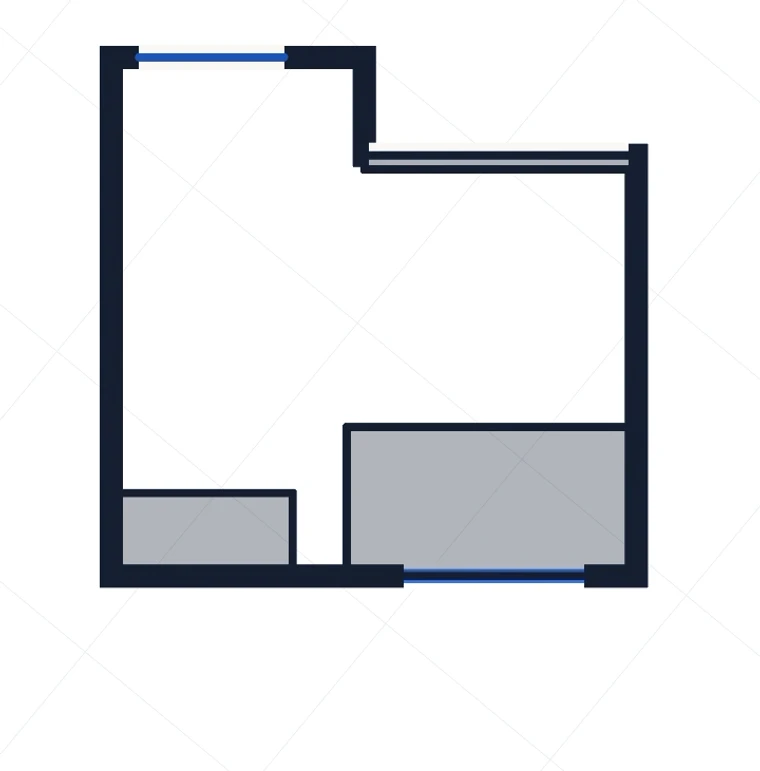
- How rooms connect and flow — whether the layout suits you, not just how each room photographs.
- The true proportions of a space, which a wide-angle lens can quietly exaggerate.
- Whether the usable area matches the headline number, once you account for walls and layout.
- Where a reform or extension changed things, so what you see matches what you would buy.
Trust the square metres — but check which ones
Abroad especially, floor area is easy to get wrong. In Spain, for instance, built area, usable area and plot are three different numbers, and an old figure from the paperwork may not match the property today. Before you travel, ask for a floor plan and confirm which area figure is being quoted. A listing built from an accurate, measured plan is a good sign; a vague number copied from old documents is a reason to ask questions.
The best agents already give remote buyers this clarity up front — often with a 3D model and a to-scale floor plan captured from an iPhone, so you can walk the space online and trust the measurements before you book a flight. If a listing you like is missing them, it is a perfectly reasonable thing to request. The floor plan is the document that tells you whether a home fits your life; read it first, and let the photos confirm what you have already understood.
Frequently asked questions
Why should you read the floor plan before viewing a property abroad?
The floor plan tells you whether a home actually fits how you live — something photos are not designed to reveal. When buying abroad means costly flights and fewer visits, reading the plan first lets you rule out unsuitable properties before you travel, so each trip is spent on homes that genuinely could work.
What is the difference between built area and usable area in Spain?
In Spain, built area (superficie construida) broadly includes walls and often an allocated share of common elements, while usable area (superficie util) is closer to the interior space you can occupy; the plot (parcela) is different again. The exact definitions vary with the purpose and regulation, which is why different documents can quote different figures for the same home. A listing should state which figure it quotes, because mixing them up is a common source of confusion.
Can I ask an agent for a floor plan if a listing doesn't have one?
Yes — asking for a floor plan is a perfectly reasonable request, especially when buying remotely. Good agents increasingly provide one alongside a 3D tour, often captured from an iPhone. If a listing you like is missing a plan or a clear m2 figure, treat that as a prompt to ask questions before booking a flight.
Are photos or floor plans more reliable when buying property remotely?
Floor plans are the more reliable guide to whether a property fits, because photos are selective and wide-angle lenses can exaggerate proportions. Use the floor plan and the real floor area to judge layout and size, then let the photos confirm the feel and finish once the space has already passed the practical test.
Sources and further reading
About the author
Salar Kiabi, Founder, FIMIT
Salar Kiabi is the founder of FIMIT, which turns a single iPhone LiDAR walk-through into an accurate, to-scale 2D floor plan and 3D model for property and facility teams. He writes about measurement accuracy, capture technique, and getting a floor area from a phone that you can actually stand behind.
Related reading
- Floor Plans That Sell to Overseas BuyersOverseas buyers can't pop round for a second look. A floor plan, a 3D tour and honest m² help them commit with confidence and cut wasted viewing trips.
- Selling Costa del Sol Property to Scandinavian BuyersNordic buyers are a significant part of Costa del Sol demand, and much of their search happens remotely. What they expect from a listing, and how to meet it.
- How to Measure Floor Area for a Property Listing (Accurately)Floor area is a number buyers act on. How to measure it accurately and consistently, which standards matter, and how to capture it from an iPhone.